

In this article:
What Is Osteoarthritis?
- Know the basics
- Know the symptoms
- Know the causes
- Know the risk factors
- Understand the treatment
- Living habits and lifestyle
Know the basics
What is osteoarthritis?
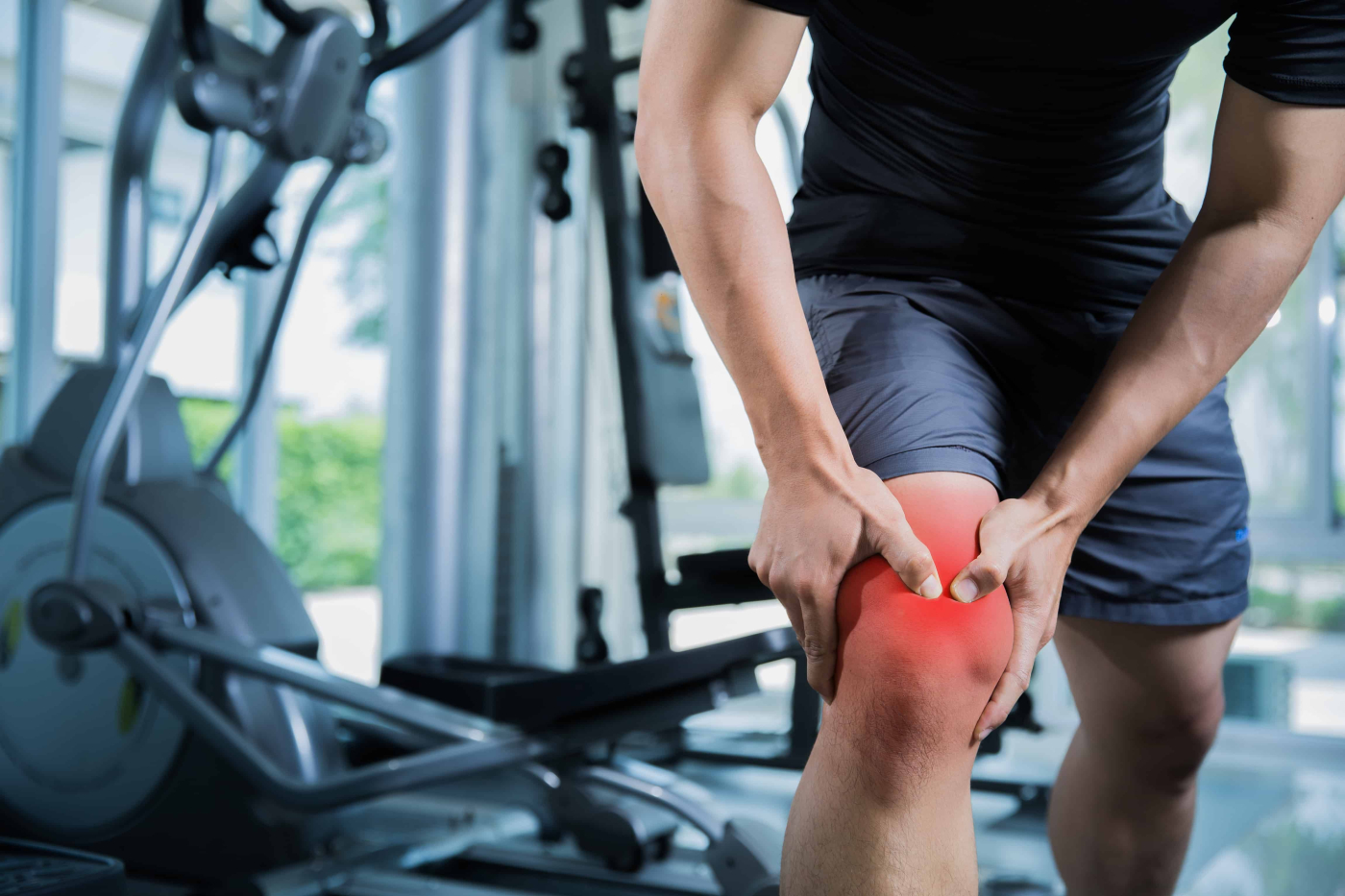
Osteoarthritis (degenerative joint disease) is a condition in which joints become painful and stiff, and most commonly affects the knees, hips, and spine. Sometimes other joints, such as the hands, can bear similar symptoms. These joints possess a material called cartilage which functions as a cushion for bones to move. In osteoarthritis, this ‘protective barrier’ between two ends of the bones are ruptured, causing them to rub against each other as movement occurs. This results in swollen and painful joints.
It cannot be cured, but its progression could be prevented by maintaining a healthy weight and regular exercise. Also, strenuous activities and contact sports should be avoided to prevent further deterioration of the cartilage.
Know the causes
What are the signs and symptoms of osteoarthritis?
The symptoms of this disease usually worsen over time. The first obvious symptom may be a noticeable pain in the joints. The pain could worsen during exercise and will ease while resting. You may experience joint stiffness when waking up in the morning, however the feeling would gradually fade away during the day. As the condition worsens, these joints become less flexible and you may hear creaking when moving.
There could be other symptoms experienced by a person with osteoarthritis. Please consult a doctor if you experience any abnormalities with regards to the joints.
When do you need to see a doctor?
You should see a doctor when you experience prolonged joint pains or stiffness that are persistent after a few weeks. These symptoms may vary across people, therefore you should always discuss with a doctor for proper diagnosis and treatment.
Know the causes
What causes osteoarthritis?
The causes typically include old age, injury and obesity to name a few. Osteoarthritis occurs when the cartilage gradually deteriorates from natural decay with old age, and constant pressure from injuries and obesity. When the cartilage is reduced to nothing, the bones rub against each other as you move, leading to joint damage and severe pain.
Know the risk factors
Who tends to develop osteoarthritis?
Osteoarthritis is particularly common in people in their 70s. It can also occur in young people with obesity. The disease can appear in both men and women, but by age 55, women are more likely to develop symptoms of osteoarthritis compared to men.
What factors increase the risk of osteoarthritis?
There are many factors that can increase your risk of osteoarthritis, and they include:
- Age: The risk of osteoarthritis naturally increases with age due to decay of the cartilage.
- Gender: Women may be more likely to develop osteoarthritis due to unknown causes.
- Obesity: The sheer weight of an obese person naturally applies more pressure on their joints. In addition, adipose tissue produces harmful proteins that can cause joint inflammation.
- Injuries: Sports or accident injuries can increase the risk of osteoarthritis.
- Heavy work: Manual labour which require stressful joint operation can lead to osteoarthritis.
- Genetics: Osteoarthritis is considered an inherited disease from previous generations.
- Bone deformities: Those with congenital bone deformities or malformed cartilage are more likely to develop osteoarthritis.
- Other conditions: Diabetes or other rheumatoid conditions such as gout and arthritis may increase the risk of developing osteoarthritis.
Understand the treatment
The information provided herein is not a substitute for any medical advice. ALWAYS consult with a doctor for more information.
How is osteoarthritis diagnosed?
Generally, a doctor would be able to diagnose this disease through physical examination and X-ray.
A physical examination would help the doctor examine:
- Joint movements which produce creaking
- Swelling and inflammation at the joints
- Limited range of motion
- Dull pain when pressure is applied on joints
- Pain during regular activities
An X-ray procedure would help doctors detect abnormalities, such as:
- Narrowing of space between bones at the joints
- Worn out ends of bones due to severely deteriorated cartilage
- Bone spurs around the joint margins
How is osteoarthritis treated?
The goal of treatment is to control pain and prevent further destruction of the joints. The provision of treatment would depend on your lifestyle and the extent of osteoarthritis. For mild to moderate pain, acetaminophen may be adequate. For severe pain, nonsteroidal anti-inflammatory drugs (NSAIDs) are recommended. You could also apply a cold or warm compress to the affected area to ease the pain. Using a warm compress or bathing the sore joints with warm water could alleviate stiffness after waking up in the morning. Meanwhile, cold compresses can help reduce inflammation and is especially popular after sporting activities.
If the condition is considered severe, the doctor would recommend physical therapy to preserve joint mobility. These are usually gentle exercises such as swimming or cycling, which also help strengthen muscles in the affected areas and increase flexibility. Lifestyle changes and maintaining a healthy body weight are also important factors to consider in treating osteoarthritis. Doctors could also inject anti-inflammatory drugs which contain steroids at the joint to better support mobility. On some occasions, doctors may recommend lubrication injections such as hyaluronic acid. As for mobility aids, the use of crutches or walkers can help reduce pressure on the affected joints.
If none of these methods work, doctors may recommend surgery which replaces the damaged joint surfaces with an artificial substitute.
Living habits and lifestyle
What living habits help to slow the progression of osteoarthritis?
You should:
- Consume medication as prescribed by your doctor
- Perform physical therapy to increase muscular strength and flexibility of the hip joint
- Make lifestyle changes to reduce the strain on weight-bearing joints. Try swimming, walking, or cycling instead of jogging or skipping
- Actively lose weight if you are overweight
- Use arthritis creams
- Use mobility aids such as crutches or a cane to shift the weight from the legs to the upper body region when moving.
If you have any concerns, please consult a doctor for advice on the best treatment available.
Hello Health Group does not provide medical advice, diagnosis or treatment.


Disemak oleh PakarPanel Perubatan Hello Doktor
Ditulis oleh Nga Truong · Disemak pada 11/05/2020