
In this article:
What Is Bronchiolitis
- Know the basics
- Know the symptoms
- Know the causes
- Know the risk factors
- Understand the treatment
- Living habits and lifestyle
Bronchiolitis is a disease that only occurs in young children and infants seeing as their bronchioles are not yet fully developed. At this age, if the respiratory system is attacked by a virus and contracts an infection, the bronchioles are susceptible to narrowing or swelling, causing wheezing and difficulty breathing. The disease usually occurs once or twice during this age period, but it is commonly confused with asthma or pneumonia.
Know the basics
What is bronchiolitis?
Bronchiolitis is a common lung infection commonly caused by a virus, in which the small tubes in the lungs (called bronchioles) become infected and clogged. The peak period for bronchiolitis to attack is during the winter season.
Bronchiolitis often bears similar early symptoms of a common cold, however this could escalate to other symptoms such as coughing, wheezing, and shortness of breath. These symptoms could last anywhere between a few days to a couple of weeks, perhaps even a month.
While most cases can be treated at home, some would require hospitalisation.
Complications associated with severe bronchiolitis include:
- Bluish discoloration of the skin or lips (cyanosis) due to lack of oxygen
- Pauses in breathing. This condition can occur in premature and newborn babies within the first two months of birth
- Dehydration
- Hypoxemia and respiratory depression
Know the symptoms
What are the signs and symptoms of bronchiolitis?
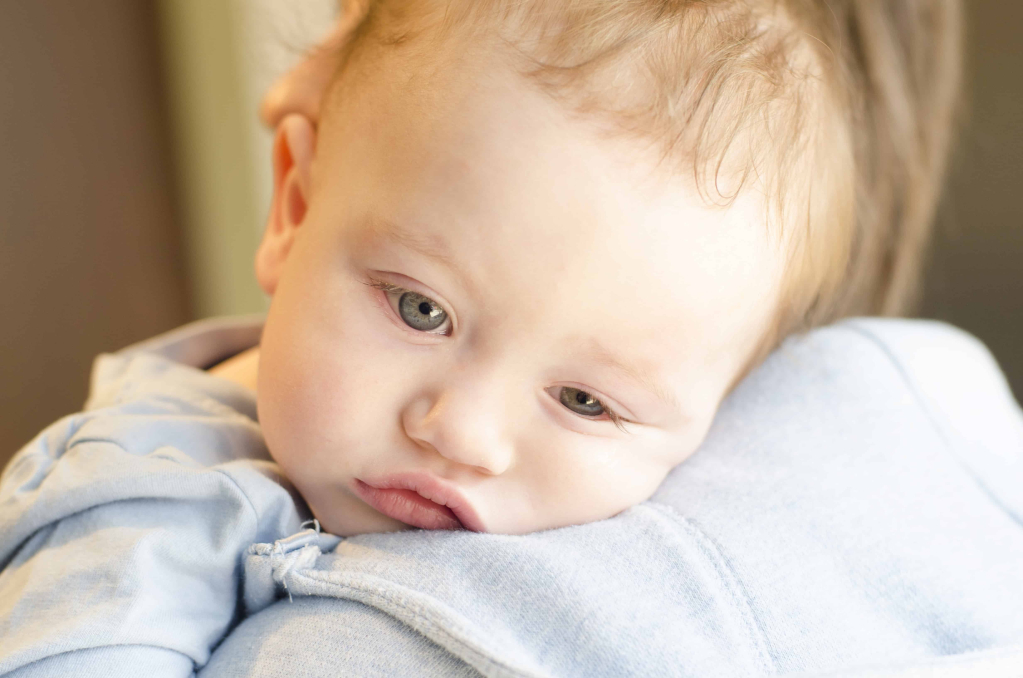
Common symptoms of bronchiolitis include:
- Runny nose
- Stuffy nose
- Cough
- Mild fever (infrequent)
- Difficulty breathing
- Wheezing
- Ear infections (otitis media) in newborns
Your child may experience other symptoms of bronchiolitis. If you have any concerns about these signs of illnesses, please consult a doctor.
When do you need to see a doctor?
Seek medical help if your child experiences:
- Vomiting
- Wheezing
- Fast breathing – more than 60 breaths a minute
- Labored breathing – straining of the abdomen or area below the ribs when breathing
- Being sluggish or comatose
- Trouble drinking or swallowing
- Bluish skin, especially on the lips and around the nails
These are extremely worrying symptoms especially if your child is less than 12 weeks old or has other risk factors for developing bronchiolitis, which include premature birth or certain types of heart or lung diseases.
Know the causes
What causes bronchiolitis?
Viral bronchiolitis attacks the small airways in the lungs and causes infection, which makes the bronchioles swollen and inflamed. Mucus accumulates in the bronchioles and therefore causes restriction in ingress and egress for lung air.
Most cases of bronchiolitis are caused by respiratory syncytial virus (RSV). RSV outbreaks, which usually infect children under the age of 2, commonly occur during winter. Bronchiolitis can also be caused by other viruses, which includes the virus responsible for flu or the common cold. Due to these instances, infants are highly likely to be infected again with RSV.
Bronchiolitis is highly contagious. Viral infections spread through droplets in the air when an infected person coughs, sneezes or even speaks. Thus, a person may contract it through physical contact of common objects such as towels or toys, after said person touches their eyes, nose or mouth.
Know the risk factors
Who is more likely to suffer from bronchiolitis?
Bronchiolitis is a very common health condition and affects people of all ages, but it is commonly found in young children and infants. You can prevent this disease by reducing certain risk factors. Please consult a doctor for more details.
What factors increase the risk of bronchiolitis?
There are many factors that increase the risk of bronchiolitis, and they include:
- Babies under 3 months old
- Premature birth
- Underlying heart or lung diseases
- Weak immune system
- Exposure to cigarette smoke
- Babies who are not breastfed as breastfeeding helps to boost the immune system
- Exposure to those who are infected
- Crowded living spaces
Understand the treatment
The information provided herein is not a substitute for any medical advice. ALWAYS consult with a doctor for more information.
How is bronchiolitis diagnosed?
Doctors may perform a physical examination, and use a stethoscope to monitor breathing. If your child is at risk of severe bronchiolitis, the doctor may need to perform certain tests, such as:
- Chest X-ray: to look for possible signs of pneumonia.
- Nasopharyngeal swab: The doctor will insert a swab into the baby’s nose to get a sample of mucus which will be tested for viruses.
- Blood tests: These blood tests are to check white blood cells count. Pulse oximetry may also be performed to measure the oxygen level in the blood.
The doctor may also check for signs of dehydration, especially if your child is vomiting or has trouble eating. The signs include sunken eyes, dry mouth and skin, sluggishness, and low or no urine output.
How is bronchiolitis treated?
You can control the symptoms of bronchiolitis at home. Give your child plenty of liquids to avoid dehydration. If your child has a runny nose, use a bulb syringe to remove mucus. Fever-reducing medications (such as acetaminophen or ibuprofen) can help reduce fever. Do not give aspirin to children who are under 16 because they would be at risk of Reye’s syndrome. Avoid buying over-the-counter drugs to help with cough. Also, be wary of medications, always read and follow the label instructions.
The doctor may prescribe bronchodilators if your child shows signs of an allergic reaction. In severe cases, your child may require hospitalisation or home-based oxygen supply.
Living habits and lifestyle
Which living habits help to slow the progression of bronchiolitis?
You may be able to control the disease if you follow the tips below:
- Humidify the air. If the air in your child’s room is dry, use a humidifier to provide more moisture in the air. Be sure to clean the humidifier regularly to prevent bacteria and mold from growing.
- Keep your child in an upright position, to make breathing easier.
- Give your child plenty of liquids. To prevent dehydration, give your child plenty of clear fluids to drink, such as water or juice.
- Use saline nose drops to ease congestion.
- Use over-the-counter pain relievers, such as acetaminophen (Tylenol®), which can help with sore throat and improve fluid intake. Avoid giving your child aspirin. OTC medicines for coughs and colds are not for children under 2 years old.
- Maintain a smoke-free environment. Any form of smoke can aggravate the symptoms of respiratory infection.
- Practice regular hand sanitisation to prevent the spread of viruses.
- Avoid contact with other children suffering from bronchiolitis or upper respiratory tract infection (URTI).
Although home remedies can ease the symptoms of bronchiolitis, a child should be hospitalised for severe cases such as shortness of breath, rapid breathing, loss of appetite or vomiting. Timely visits to a pediatrician would be able to nip other serious illnesses at the bud such as asthma or pneumonia. Parents should encourage regular water consumption for their children, especially if they are vomiting. Prescription medications for your children could help cure the disease within 7-10 days.
If you have any concerns, please consult a doctor for advice on the best treatment available.
Hello Health Group does not provide medical advice, diagnosis or treatment.


Disemak oleh PakarPanel Perubatan Hello Doktor
Ditulis oleh Nga Truong · Disemak pada 11/05/2020