

Respiratory syncytial virus infection (RSV)
Definition
What is respiratory syncytial virus infection?
Respiratory syncytial virus (RSV) is a virus that causes infections of the lungs and respiratory tract. It’s so common that most children have been infected with the virus by age 2. Respiratory syncytial virus can also infect adults.
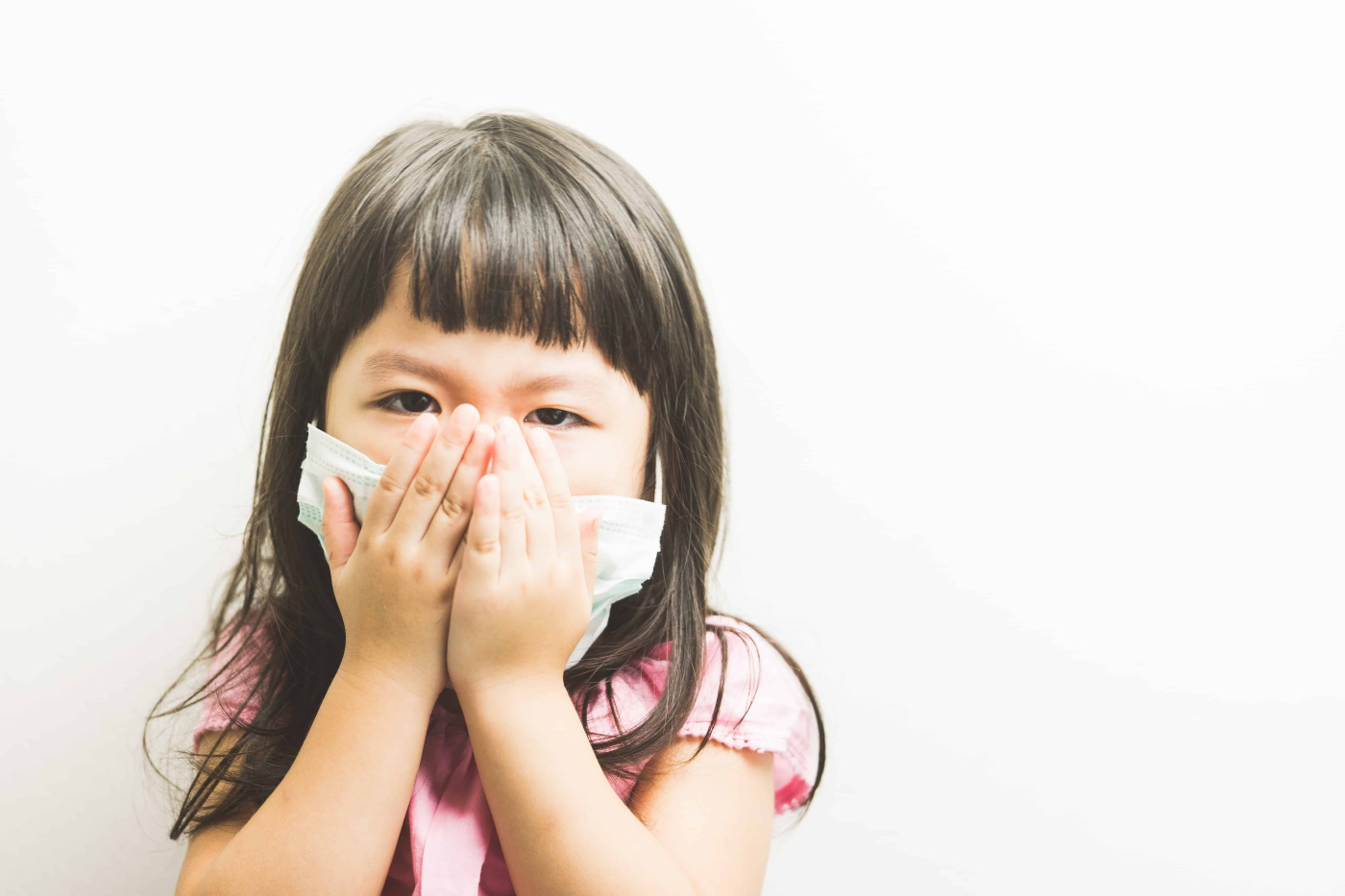
In adults and older, healthy children, the symptoms of respiratory syncytial virus are mild and typically mimic the common cold. Self-care measures are usually all that’s needed to relieve any discomfort.
Infection with respiratory syncytial virus can be severe in some cases, especially in premature babies and infants with underlying health conditions. RSV can also become serious in older adults, adults with heart and lung diseases, or anyone with a very weak immune system (immunocompromised).
How common is respiratory syncytial virus infection?
RSV is the most common cause of bronchiolitis (inflammation of the small airways in the lung) and pneumonia (infection of the lungs) in children younger than 1 year of age in the United States. It is also a significant cause of respiratory illness in older adults. It can be managed by reducing your risk factors. Please discuss with your doctor for further information.
Symptoms
What are the symptoms of respiratory syncytial virus infection?
When a respiratory syncytial virus (RSV) infection affects the nose and throat (upper respiratory system camera.gif), symptoms are usually mild and resemble those of the common cold. They include:
- Cough.
- Stuffy or runny nose.
- Mild sore throat.
- Earache
- Fever, usually at the beginning of the illness. A high fever does not mean the illness is more severe.
Babies may have additional symptoms, including:
- A decreased interest in their surroundings.
- Listlessness and sleepiness.
- Fretfulness (irritability) and not sleeping well.
- Poor feeding.
- Apnea, where breathing stops for about 15 to 20 seconds. This usually occurs only in babies who were born prematurely and who also have a history of apnea.
It is hard to distinguish between a common cold and RSV infection. But unless you or your child has an increased risk of complications from RSV, it usually is not important to know which virus causes symptoms.
RSV infection sometimes leads to bronchiolitis or pneumonia or both.
Symptoms of these complications include:
- Difficulty breathing, which may include breathing more rapidly than normal.
- Wheezing.
- Coughing that is getting worse. A child may choke or vomit from intense coughing.
- Lethargy, increased tiredness, decreased interest in surroundings, or loss of interest in food.
There may be some symptoms not listed above. If you have any concerns about a symptom, please consult your doctor.
When should I see my doctor?
Most cases of respiratory syncytial virus infection aren’t life-threatening.
Seek immediate medical attention if your child — or anyone at risk of severe disease — experiences difficulty breathing, runs a high fever or turns blue, particularly on the lips and in the nail beds.
Causes
What causes respiratory syncytial virus infection?
Respiratory syncytial virus enters your body through your eyes, nose or mouth. It spreads easily when infectious respiratory secretions — such as those from coughing or sneezing — are inhaled or passed to others through direct contact, such as shaking hands.
The virus can also live for hours on objects such as countertops and toys. Touch your mouth, nose or eyes after touching a contaminated object, and you’re likely to acquire the virus.
An infected person is most contagious in the first few days after infection, but respiratory syncytial virus may spread for up to a few weeks after the start of infection.
Risk factors
What increases my risk for respiratory syncytial virus infection?
There are many risk factors for respiratory syncytial virus infection, such as:
- Infants younger than 6 months of age
- Younger children, especially under 1 year of age, who were born prematurely or who have an underlying condition, such as congenital heart or lung disease
- Children with weakened immune systems, such as those undergoing chemotherapy or transplantation
- Infants in crowded child care settings
- Older adults
- Adults with asthma, congestive heart failure or chronic obstructive pulmonary disease
- People with immunodeficiency, including those with certain transplanted organs, leukemia or HIV/AIDS
Diagnosis & treatment
The information provided is not a substitute for any medical advice. ALWAYS consult with your doctor for more information.
How is respiratory syncytial virus infection diagnosed?
Your doctor may suspect respiratory syncytial virus based on a physical exam and the time of year of the infection. During the exam, he or she may listen to the lungs with a stethoscope to check for wheezing or other abnormal sounds.
Your doctor may also use:
- Painless skin monitoring (pulse oximetry) to check whether the level of oxygen available in the bloodstream is lower than usual
- Blood tests to check white cell counts or to look for the presence of viruses, bacteria or other organisms
- Chest X-rays to check for pneumonia
- Lab tests of respiratory secretions from your nose that check for the virus
How is respiratory syncytial virus infection treated?
Treatment for respiratory syncytial virus generally involves self-care measures to make your child more comfortable (supportive care). But in severe cases, hospital care may be needed.
Supportive care
Your doctor may recommend an over-the-counter medication such as acetaminophen (Tylenol, others) to reduce fever. He or she may also prescribe an antibiotic if there’s a bacterial complication, such as bacterial pneumonia.
Otherwise, keep your child as comfortable as possible. Offer plenty of fluids and watch for signs of dehydration, such as dry mouth, little to no urine output, sunken eyes and extreme fussiness or sleepiness.
Hospital care
Hospital care for RSV in severe cases may be necessary to provide intravenous (IV) fluids and humidified oxygen. Hospitalized infants and children may also be hooked up to mechanical ventilation — a breathing machine — to ease breathing.
In some severe cases, a nebulized bronchodilator such as albuterol (ProAir HFA, Proventil-HFA, Ventolin HFA) may be used to relieve wheezing. This medication opens air passages in the lungs. Nebulized means it’s administered as a fine mist that you breathe in.
Occasionally, a nebulized form of ribavirin (Virazole), an antiviral agent, may be used. Your doctor may also recommend an injection of epinephrine or a form of epinephrine that can be inhaled through a nebulizer (racemic epinephrine) to relieve symptoms of RSV infection.
Lifestyle changes & home remedies
What are some lifestyle changes or home remedies that can help me manage respiratory syncytial virus infection?
The following lifestyles and home remedies might help you cope with respiratory syncytial virus infection:
Most mild to moderate respiratory syncytial virus (RSV) infections in otherwise healthy people are like the common cold and can be treated at home. If your child is older than 12 months of age and is not at risk for complications from RSV infection, try home treatment. But RSV infections in people with an increased risk of complications need close monitoring.
People who have impaired immune systems need to see a doctor for cold symptoms because of the increased risk for complications. Also, babies and children-and older adults-who have health problems and other risk factors should see a doctor at the first sign of RSV.
How to help your child with RSV infection
- Watch for signs of dehydration. Make sure to replace fluids lost through rapid breathing, fever, diarrhea, or vomiting. Encourage more frequent breast- or bottle-feeding. Avoid giving your baby sports drinks, soft drinks, undiluted fruit juice, or water. These beverages may contain too much sugar, contain too few calories, or lack the proper balance of essential minerals (electrolytes).
- Make your child more comfortable by helping relieve his or her symptoms. Sometimes a child may get some relief from medicine, such as acetaminophen or ibuprofen, or from being kept in an upright position, which makes breathing easier. Be safe with medicines. Read and follow all instructions on the label. Never give aspirin to someone younger than 20 years, because it can cause Reye syndrome, a serious but rare problem.
- Antibiotics are not usually given for viral infections. But if your child develops complications of RSV, such as an ear infection, your doctor may prescribe an antibiotic. Do not stop giving antibiotic medicine when your child starts to feel better. The entire prescription must be taken to completely kill the bacteria. If you do not give your child all the medicine, the bacterial infection may return.
- Take care of yourself. Caring for a sick child can be very tiring physically and emotionally. You can best help your child when you are rested and feeling well.
If you have any questions, please consult with your doctor to better understand the best solution for you.
Hello Health Group does not provide medical advice, diagnosis or treatment.

